


Many parents want to move away from shouting, punishments, and constant battles, but are not sure how to guide children without feeling too strict or too soft. The idea of positive discipline and gentle parenting sounds good, but turning it into daily habits can feel confusing and tiring. Here are five top-rated guides that many families and professionals trust and use regularly:
Top professionally picked guides for gentle, respectful parenting
These resources are carefully chosen for parents and carers who want clear, practical steps, not vague theories. They are especially helpful if you want to understand your child better and create calmer days at home.

- Ockwell-Smith, Sarah (Author)


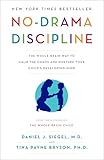
- Siegel M.D., Daniel J. (Author)

- Discipline, Positive A-Z
What positive discipline and gentle parenting really mean
Positive discipline and gentle parenting are often talked about together, and sometimes people treat them as the same thing. They overlap a lot, but they come from slightly different angles.
Positive discipline focuses on teaching, guidance, and long‑term skills instead of punishment. Gentle parenting focuses on the relationship, respect, and emotional connection, while still keeping clear limits.
Both approaches are about raising a child who feels safe, seen, and respected, while still learning what is okay and what is not.
That sounds simple, but in daily life it means a big shift. Less “Because I said so” and more “Here is what is going on and what we can do.” Less fear, more cooperation. Less focus on compliance, more focus on understanding and skill building.
Key principles in plain language
Most positive discipline and gentle parenting guides share a few core ideas. Different books use different labels, but the heart is usually the same:
1. Connection before correction
Children respond better when they feel close and understood. That does not mean letting everything slide. It means taking a moment to connect before trying to correct behavior.
2. Respect for the child as a person
The child is not a small adult, but still a person with feelings, needs, and limits. Treating the child with respect often leads to more respect in return.
3. Firm and kind at the same time
Gentle does not mean weak. Positive discipline is kind in tone and firm in message. “I will not let you hit” said calmly is very different from shouting or ignoring the behavior.
4. Focus on teaching, not punishing
Misbehavior is often a sign that a child is overwhelmed, tired, hungry, worried, or missing a skill. Instead of only asking “How do we stop this now”, the question becomes “What is this behavior showing and what skill is missing”.
5. Long‑term goals over short‑term wins
Quick punishments can stop a behavior in the moment, but can also build fear or shame. Positive discipline cares more about who the child becomes: confident, kind, honest, and able to handle strong feelings.
Why many parents move toward positive discipline and gentle parenting
Many families turn to these guides after trying strict, reward‑and‑punishment systems and finding that things still feel tense. Children might comply on the surface but become sneaky or shut down. Or parents feel stuck between being harsh and giving in.
Gentle approaches offer a third path: not harsh, not permissive. Just more thoughtful.
The goal is not a perfect child or a perfect parent. The goal is a safe relationship where everyone can learn, repair, and grow over time.
Some parents worry that gentle parenting means children will run the house. Good guides tackle that fear directly. They explain how to set clear, non‑negotiable boundaries while staying calm and respectful. Which is harder than it sounds, especially when everyone is tired.
Benefits you can realistically expect
No method fixes everything. Still, many families notice some real changes when they stick with positive discipline and gentle parenting ideas:
Calmer daily routines
Arguments might not vanish, but they tend to shorten and soften. Children begin to know what to expect and trust that parents mean what they say.
Less fear, more honesty
Children who are not afraid of harsh punishment are more likely to tell the truth about mistakes, which gives more chances to teach and repair.
Better emotional skills
By naming feelings and guiding through them, children learn what those big sensations are and what to do with them.
Stronger relationship over time
Repeated moments of calm, respectful guidance build a sense of safety. That can pay off later when children become teens and problems get more complex.
There are also hard parts. Staying calm when a child hits, screams, or refuses is draining. Many guides are honest about that. They encourage parents to care for themselves and set realistic expectations.
What to look for in a positive discipline or gentle parenting guide
Not every book or course on gentle parenting will suit every family. Some are very theory heavy. Some are full of stories but light on practical steps. Some are written with a certain culture or family structure in mind.
When choosing a guide, it helps to look at a few key points.
1. Clear, practical strategies
A helpful guide does not just tell you to “stay calm” and “connect more”. It shows you what to say, what to do with your hands, where to stand, and how to repair when things go badly.
Useful guides often include:
-
Sample phrases for tough moments, like hitting, whining, or back talk
-
Step‑by‑step ideas for routines like bedtime or getting out the door
-
Real examples from different age groups
-
Suggestions for what to try when Plan A fails
Look for guides that describe success and also describe the messy, half‑success moments. Real life is full of those.
2. Age‑appropriate guidance
A toddler and a teenager both need respect, but they need very different approaches. A good gentle parenting guide will clearly state the age range it focuses on and adapt the strategies.
| Age group | Main needs | Helpful focus in guides |
|---|---|---|
| Toddlers | Safety, routine, simple language | Distraction, redirection, calm body limits |
| Preschoolers | Play, clear rules, emotional naming | Storytelling, visual charts, practice games |
| School age | Belonging, responsibility, fairness | Problem solving together, natural results |
| Tweens/teens | Respect, independence, trust | Negotiation, clear agreements, logical results |
If a guide uses the same advice for all ages, that is a red flag. Children change fast. Strategies need to change too.
3. Balance of empathy and limits
Some resources lean heavily on empathy but back away from clear boundaries. That can leave parents confused. Others lean on firm rules but do not explain how to stay calm or kind.
A strong guide for positive discipline and gentle parenting will talk as much about “No” as about “I understand”.
Look for content that:
-
Shows how to say no without threats or shame
-
Explains which rules are non‑negotiable and why
-
Teaches how to follow through without constant power struggles
-
Helps you stay connected even during conflict
4. Respect for different families and cultures
Family values, living situations, and support systems vary a lot. Effective guides usually acknowledge that. They describe principles, then show how those principles can look in different homes.
If a guide assumes that every family has two parents, or a large home, or lots of free time, it might not fit well. It helps when a resource speaks to single parents, grandparents raising children, blended families, and carers who work long or irregular hours.
5. Support for parents, not just children
Gentle parenting towards a child is hard if no one is gentle toward the parent. Guides that only tell parents to “stay calm” without addressing stress, tiredness, or past experiences can feel blaming.
Look for guides that include:
-
Ideas for managing your own stress in the moment
-
Normalising common reactions like shouting or slamming doors
-
Tools for repairing with your child after you lose your temper
-
Encouragement to seek help when things feel overwhelming
Pros and cons of positive discipline and gentle parenting guides
No approach is perfect. A realistic buyer guide should look at both strengths and limitations. This helps you decide what fits your family, and where you might need extra support.
Strengths that many parents appreciate
-
Builds stronger relationships
Less fear and more trust often lead to deeper connection over time. -
Encourages long‑term skills
Children learn to think, problem solve, and manage feelings, instead of only avoiding punishment. -
Supports mental health
A respectful, calm approach can reduce anxiety and shame for both children and adults. -
Works across stages of development
Core ideas can be adapted from toddler years into later years. -
Backed by child development research
Many guides draw on attachment research, brain science, and psychology, and explain them in simple language. -
Encourages reflection, not blame
Good resources help parents notice patterns and triggers instead of labelling children as “bad”. -
Fits well with safeguarding and child protection values
Respectful discipline supports safe, nurturing environments, which professionals often look for.
Limitations and challenges to be aware of
-
Can feel slow in a crisis
In a heated moment, reading long explanations or remembering multi‑step tools can feel unrealistic. -
Needs consistent effort
Gentle parenting asks for patience and repetition. Results are often gradual, which can feel discouraging. -
May clash with extended family views
Grandparents or other carers might see gentle approaches as “soft”, which can create tension. -
Some guides are too theoretical
A few books talk at length about brain science but offer little help for real‑world meltdowns at the supermarket. -
Not always trauma informed
Certain resources assume relatively calm homes. Families dealing with domestic abuse, severe mental health issues, or ongoing stress may need more specialist support. -
Language can feel idealistic
Very perfect examples can leave parents feeling guilty or like they are failing if they cannot copy them. -
Time demands
Reading long guides, attending courses, or watching videos takes time that many carers do not have.
How to use positive discipline and gentle parenting guides in real life
Buying a highly rated book or course is only the first step. The real value comes from trying ideas slowly, noticing what helps, and adjusting. There is no single right way for every family.
Start small on purpose
Trying to change everything in one week is a fast way to burn out. A more helpful approach is to pick one area that causes the most stress, and start there.
For example:
-
Only focus on reducing shouting during bedtime
-
Work on staying calm during sibling fights
-
Practice naming feelings in the morning routine
Then choose one or two strategies from your guide and stick to them for a while. Expect it to feel awkward at first. New habits usually do.
Adapt the language to your child and culture
Many guides are written in a certain style of speech that may not feel natural. That is not a problem. The principle matters more than the exact words.
If a script says: “I see that you are angry because we had to leave the park, and that is hard.” You might change it to: “You are really upset we had to go. Leaving is hard. I get that.” Or even shorter.
The aim is to name the feeling, set the limit, and stay calm. How you phrase it is up to you.
Combine ideas with your own values
Some parts of a gentle parenting guide might fit well with your family, while other parts do not. That is fine. You do not have to follow any book like a rule book.
For example, you might fully agree with no physical punishment, but still feel okay with short, calm time‑outs in rare cases. Or you might prefer natural and logical results instead of reward charts, yet still use a sticker sometimes for fun.
A sign of a useful guide is that it invites you to think, not just obey the authors instructions.
Work with other carers and professionals
If your child spends time with grandparents, childminders, teachers, or other carers, it helps to share the main ideas you are using. That does not mean insisting they copy everything, but finding some shared ground.
For children involved with social workers, health visitors, or other professionals, gentle parenting and positive discipline can often sit alongside wider family plans. Many professionals welcome approaches that lower stress and reduce harsh punishment, especially when safety is a concern.
How positive discipline compares to more traditional discipline
Sometimes it helps to see the differences side by side. This is a rough picture, not a perfect one, but it can clarify what you are choosing.
| Traditional discipline focus | Positive discipline and gentle parenting focus |
|---|---|
| Obedience and quick compliance | Understanding, cooperation, and long‑term skills |
| Punishment for “bad” behavior | Teaching and guiding after mistakes |
| Power of adult over child | Shared problem solving with clear adult leadership |
| “Do as you are told” | “Here is what is happening and why” |
| Fear and shame as motivators | Connection, respect, and natural results |
Some parents feel torn between these. They might have grown up with strict discipline and worry that if they move away from it, their child will lack respect. Others feel hurt by their own childhood and want something softer, but are not sure how to keep order.
This is where clear, honest guides can help. They do not ask you to erase your past. They invite you to notice what helped you grow and what hurt you, then choose what you want to carry forward.
Buyer guide: choosing the right positive discipline and gentle parenting resource
With so many parenting books, courses, podcasts, and videos, it can be hard to know where to spend money or time. A few questions can help narrow it down.
1. What is your main challenge right now
Different guides focus on different issues. Knowing your main challenge helps you pick something targeted, instead of a general overview that might not address your real struggles.
Common focus areas include:
-
Tantrums and emotional outbursts
-
Sleep struggles and bedtime battles
-
Siblings who fight constantly
-
Anxious or withdrawn children
-
Strong‑willed or defiant behavior
If a product description clearly mentions the issue you face, you are more likely to feel that it “gets” your world.
2. How do you prefer to learn
Some people love books. Others cannot imagine sitting and reading after a long day with children. The format makes a real difference.
Options you might see:
-
Books with case studies, scripts, and exercises
-
Short guides or workbooks with fill‑in sections
-
Video courses you can watch in small chunks
-
Audio content for listening while doing chores
Choosing a format that fits your energy level is not a small detail. It is often what decides if you will actually use the resource or leave it on a shelf.
3. Does the tone feel realistic and kind
Some parenting guides sound very strict and judging. Others are so gentle to the child that they forget to be gentle to the parent. Look for a tone that respects both.
You can usually tell by reading a few sample pages or reviews. Signs of a helpful tone include:
-
Honesty about how hard parenting can be
-
Examples of parents making mistakes and repairing
-
Clear advice without shaming language
-
Inclusive language that respects different families
4. Is the approach realistic for your situation
Some guides assume plenty of time, two adults at home, and a calm living space. Others try to speak more to busy households, tight budgets, or shared living situations.
Ask yourself:
-
Can these ideas work in a small flat, shared home, or stressful area
-
If I have more than one child, do they talk about juggling needs
-
Do they offer “quick use” tools for very busy days
Realistic expectations help prevent guilt and frustration.
5. How do reviews describe the impact
User reviews are not perfect, but they can give clues. Look for patterns rather than single comments.
Helpful signs in reviews:
-
People mention specific changes, like fewer meltdowns or calmer mornings
-
Readers from different backgrounds say they felt understood
-
Professionals such as teachers or therapists find the ideas practical
-
Some reviewers share both what worked and what did not
If reviews mention that a guide is very theory heavy, or hard to apply, you may want to pair it with something more practical.
Gentle parenting and child protection: how they connect
There is sometimes a myth that gentle parenting is only for “easy” families who do not face serious challenges. That is not accurate. Respectful, caring discipline can play an important part in child protection and safeguarding.
For professionals working with families, positive discipline approaches can:
-
Offer safer alternatives to physical punishment
-
Reduce the risk of emotional harm from harsh words or threats
-
Support parents to understand their childs behavior in the context of stress, trauma, or unmet needs
-
Encourage stable, predictable routines that help children feel secure
Parents who are under stress may feel judged or overwhelmed by advice. Resources that combine gentle parenting ideas with trauma awareness, social support, and mental health guidance are often most effective in these situations.
Frequently asked questions about positive discipline and gentle parenting
Does positive discipline and gentle parenting make children spoiled
No. Gentle parenting is not the same as letting children do whatever they want. The approach is kind in tone, but clear and firm about limits. A child who experiences calm, consistent boundaries is less likely to feel entitled than a child who is sometimes harshly punished and sometimes allowed to do anything.
Can positive discipline and gentle parenting work with a very strong willed child
Many strong willed children respond well to gentle approaches over time, but progress can be slow. These children usually need very clear boundaries, plus chances to have a say and feel some control. Positive discipline guides that focus on problem solving, choices within limits, and firm follow through can be especially helpful.
Is gentle parenting realistic for parents who work long hours
It can be. The core of gentle parenting is how you respond, not how many hours you are at home. Short, consistent routines, calm limits, and warm connection during the time you do have can still make a real difference. Guides that offer brief scripts and small‑step changes are better for busy carers than long, complex programs.
What if grandparents do not agree with positive discipline and gentle parenting
This is common. Many grandparents raised children with more traditional methods and may see gentle approaches as too soft. Sharing your reasons, giving simple examples, and focusing on one or two agreed rules can help. Some parents share short sections from a guide or ask grandparents to try one idea, instead of asking for a complete change straight away.
Can positive discipline and gentle parenting work with children who have additional needs
Many principles still help, such as clear routines, respect, and emotional support. Children with autism, ADHD, or other differences often need more structure, visual supports, and tailored strategies. When choosing guides, look for those that mention neurodiversity or special needs, or pair general gentle parenting books with more specialist resources.
How long does it take to see change with positive discipline and gentle parenting
Some families notice small shifts within days, like fewer shouting matches when parents stay calmer. Deeper changes, such as more trust or fewer power struggles, usually build over weeks and months. Behavior can sometimes get worse at first as children test new boundaries. Guides that talk openly about this “testing” phase often feel more honest and reassuring.
Is it too late to start positive discipline and gentle parenting with older children
It is rarely too late. Older children and teens might react with suspicion at first, especially if things were harsh before, but many still want a better relationship. Starting with honest repair, clear apologies, and one or two new habits can begin to change the tone at home. Some guides focus mainly on early years, so for older children it helps to choose resources that speak directly to that stage.
Do positive discipline and gentle parenting guides replace professional support
No. Books and courses can be very helpful, but they do not replace mental health care, safeguarding services, or other professional help when needed. If a child or parent is struggling with serious stress, trauma, or safety issues, a gentle parenting guide should sit alongside, not instead of, professional support.
A common question: What if positive discipline and gentle parenting feel too hard on bad days
Bad days are part of parenting. Every family has moments when all the good intentions disappear and old habits come back. That does not mean you have failed or that gentle parenting “does not work”. It means you are human and under strain.
On those days, many guides suggest going back to basics:
-
Focus just on safety and the most important limits
-
Use fewer words and more simple actions
-
Repair later, when everyone is calmer, by naming what happened and what you will try next time
If you are able to, talk with someone you trust or a professional about how heavy it feels. Positive discipline is not about never slipping. It is about noticing, repairing, and slowly building a different pattern. Every small step still counts, even when some steps go backwards.